

Stay up to date on the latest innovations in Aquaculture.
Check back regularly for company updates, news releases and industry-leading case studies from across the sector.
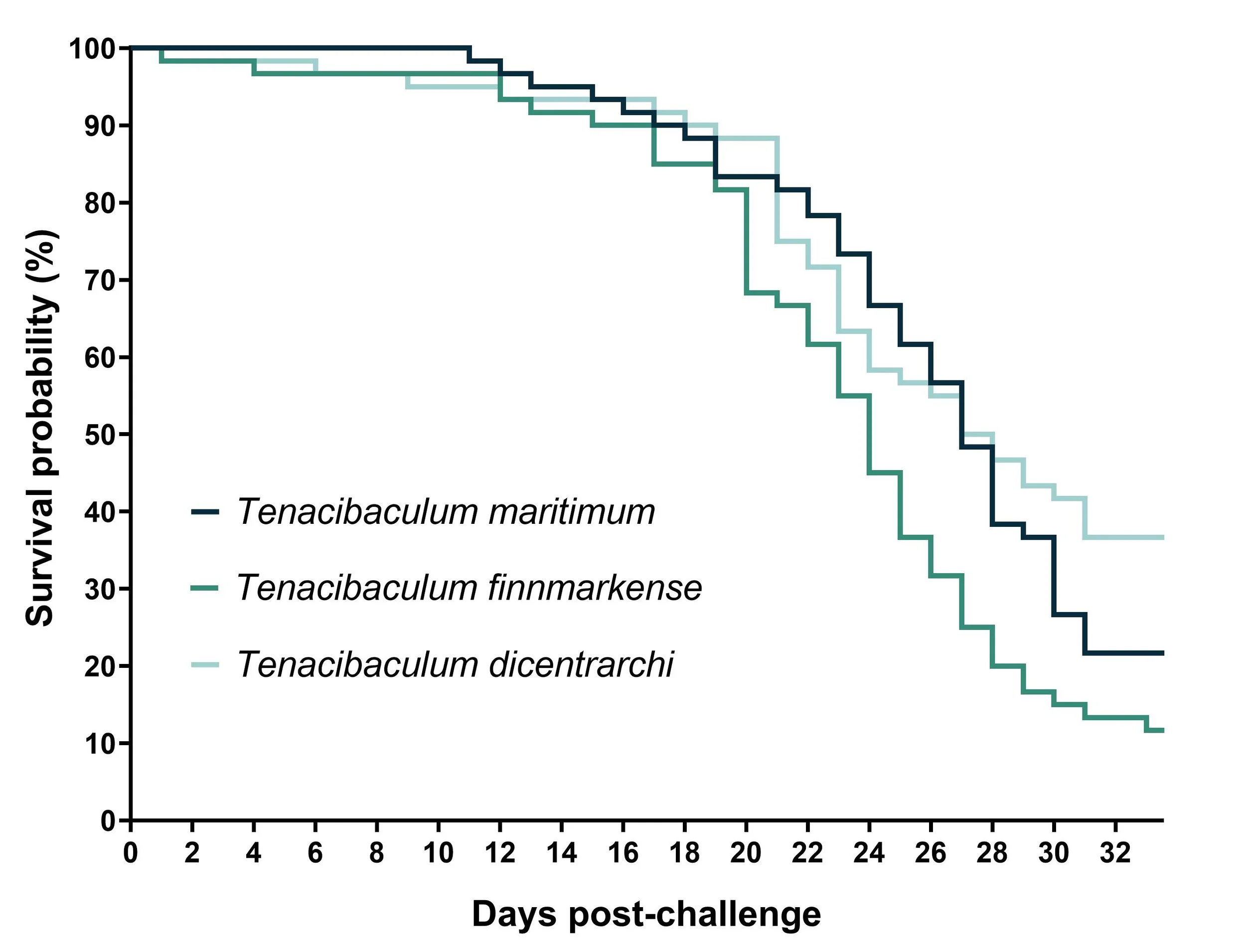
A Picture Is Worth a Thousand Words: What This Mortality Curve Tells Us About T. maritimum
A single graph can reveal a lot about how Tenacibaculum maritimum infection progresses in Atlantic salmon—and why timing matters when evaluating potential solutions.
This experimental challenge shows mortality remaining relatively low early on before accelerating dramatically later in the study, reaching approximately 78% cumulative mortality by Day 32.
But the real question isn’t simply how many fish survive. It’s whether an intervention can change the curve.
Explore what this mortality curve tells us about disease progression, challenge models and evaluating vaccines, functional feeds and other strategies against T. maritimum.
Onda’ FeedTech Division Achieves FeedAssure® Certification
Onda is proud to announce that its FeedTech Division has achieved FeedAssure® certification, reinforcing its commitment to quality, traceability, and excellence in aquaculture feed manufacturing and research.
This nationally recognized certification demonstrates that Onda meets rigorous industry standards for feed safety, ingredient sourcing, manufacturing controls, documentation, sanitation, and continuous improvement. Building on its established Good Laboratory Practice (GLP) and Good Manufacturing Practice (GMP) quality systems, FeedAssure® certification further strengthens Onda's ability to deliver reliable, high-quality feed production services for clients around the world.
As a trusted contract research organization, Onda manufactures both commercial and custom experimental diets while supporting feed manufacturers, ingredient suppliers, pharmaceutical companies, and aquaculture producers with research that accelerates product development and commercialization. FeedAssure® certification provides clients with greater confidence in the integrity, traceability, and consistency of every feed produced, helping ensure research results are generated under a recognized quality framework.
This achievement reflects the dedication and collaboration of Onda's FeedTech, Quality Assurance, and technical teams, whose commitment to operational excellence continues to advance innovation in aquaculture nutrition.
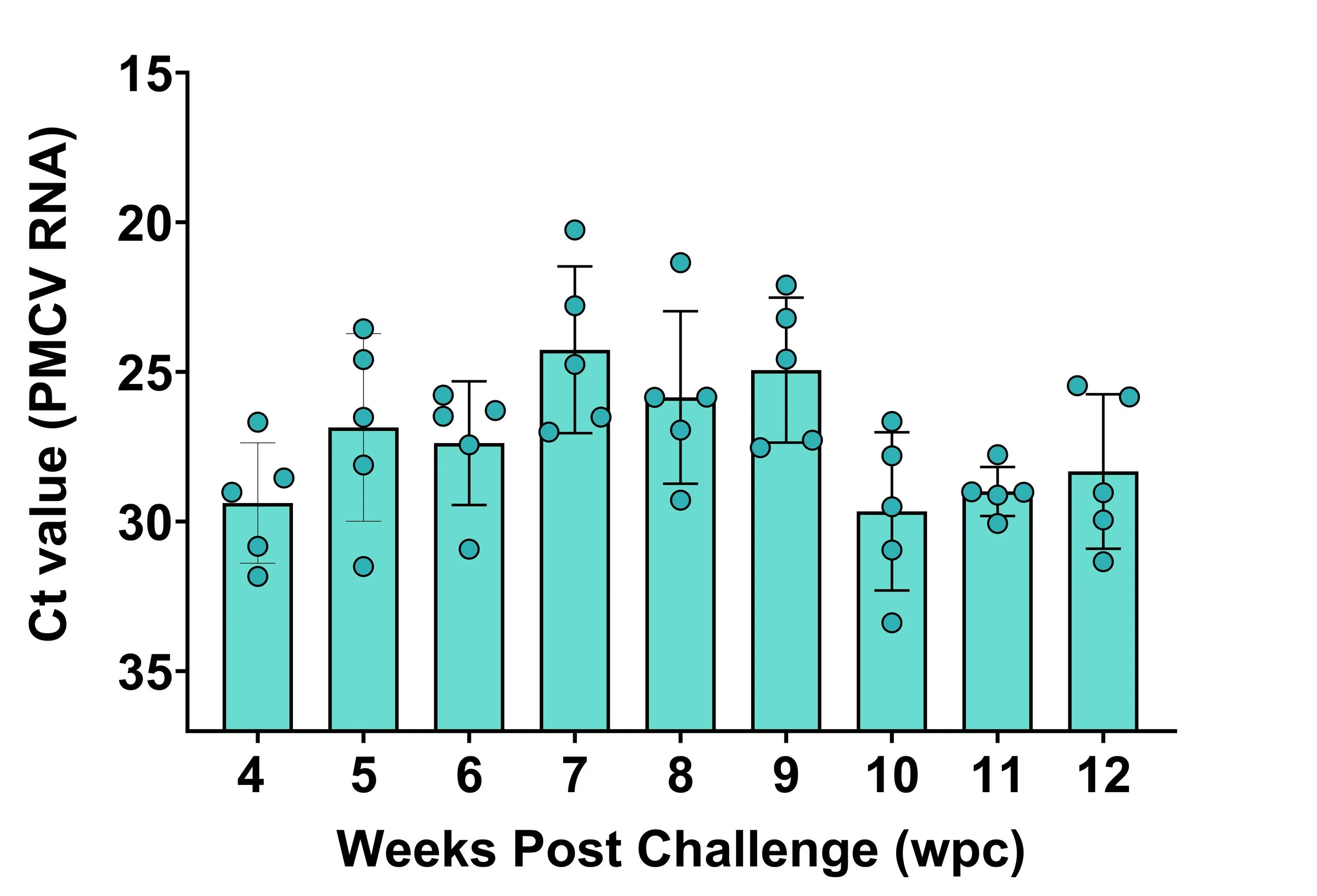
An Image is Worth a Thousand Words: Why Reliable Challenge Models Matter in the Fight Against CMS
Behind every breakthrough in fish health is a research model that consistently reproduces disease under controlled conditions. Learn why reliable challenge models are essential for developing vaccines, functional feeds, and other innovations that help combat Cardiomyopathy Syndrome (CMS) in Atlantic salmon.
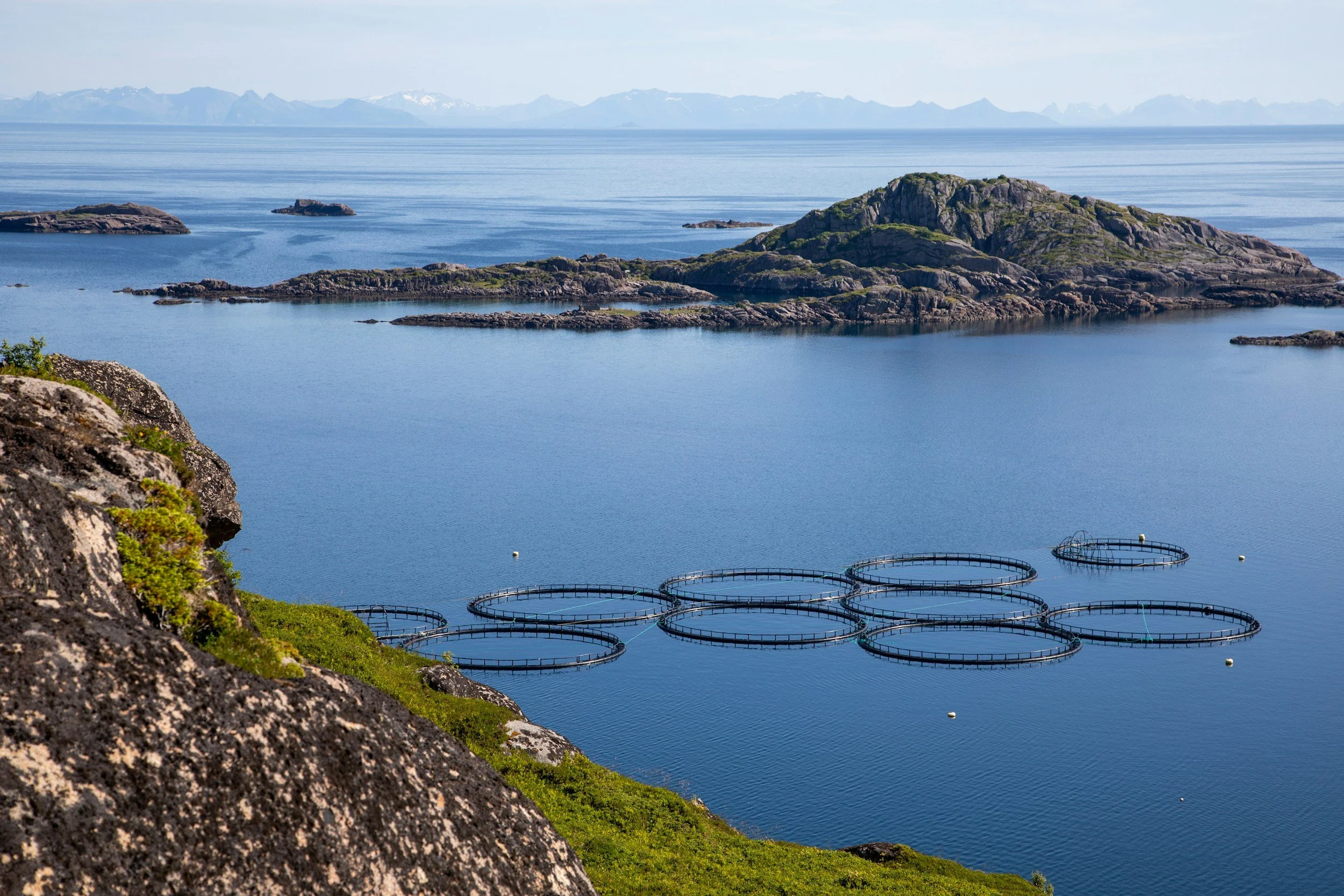
The Smolt Challenge: Why the Freshwater-to-Seawater Transition Remains One of Aquaculture’s Greatest Risks
The journey from freshwater to seawater is one of the most critical stages in salmon production. Discover why successful smoltification has such a significant impact on fish health, survival, and long-term production performance, and how new research and diagnostic tools are helping producers reduce risk before fish enter the marine environment.
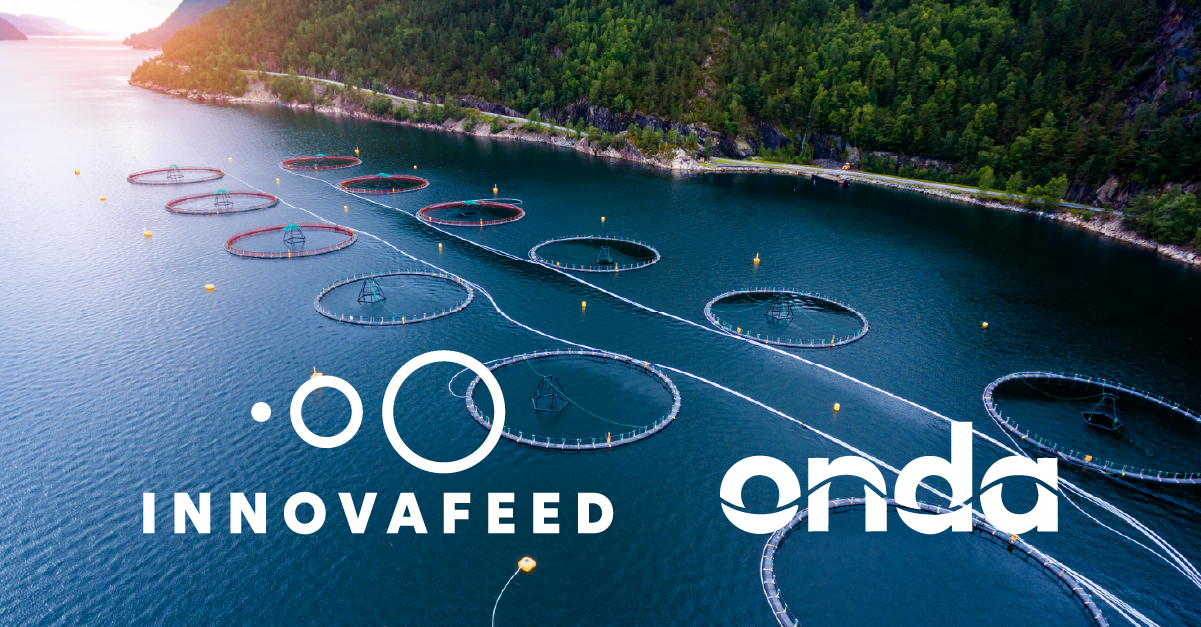
ONDA AND INNOVAFEED ANNOUNCE PROMISING RESULTS FROM TRIALS USING INSECT-BASED INGREDIENTS IN SALMON NUTRITION
Can insect-based ingredients transform salmon nutrition?
In our latest collaboration with Innovafeed, early trial results point to strong growth performance and promising antibacterial activity in Atlantic salmon fed black soldier fly larvae meal. As the industry look for sustainable, functional feed solutions, these finding highlight a compelling step forward.
Read the full press release to explore the results and what they could mean for the future of aquaculture.
Myth Busters!
Are deviations always a mistake? Do small errors really matter?
Some of the most common beliefs about quality and compliance are also the most misleading.
We’re debunking four quality system myths that could be holding your organization back — and sharing what high-performing teams understand about documentation, reporting, and training.
Read the full article and challenge your assumptions.
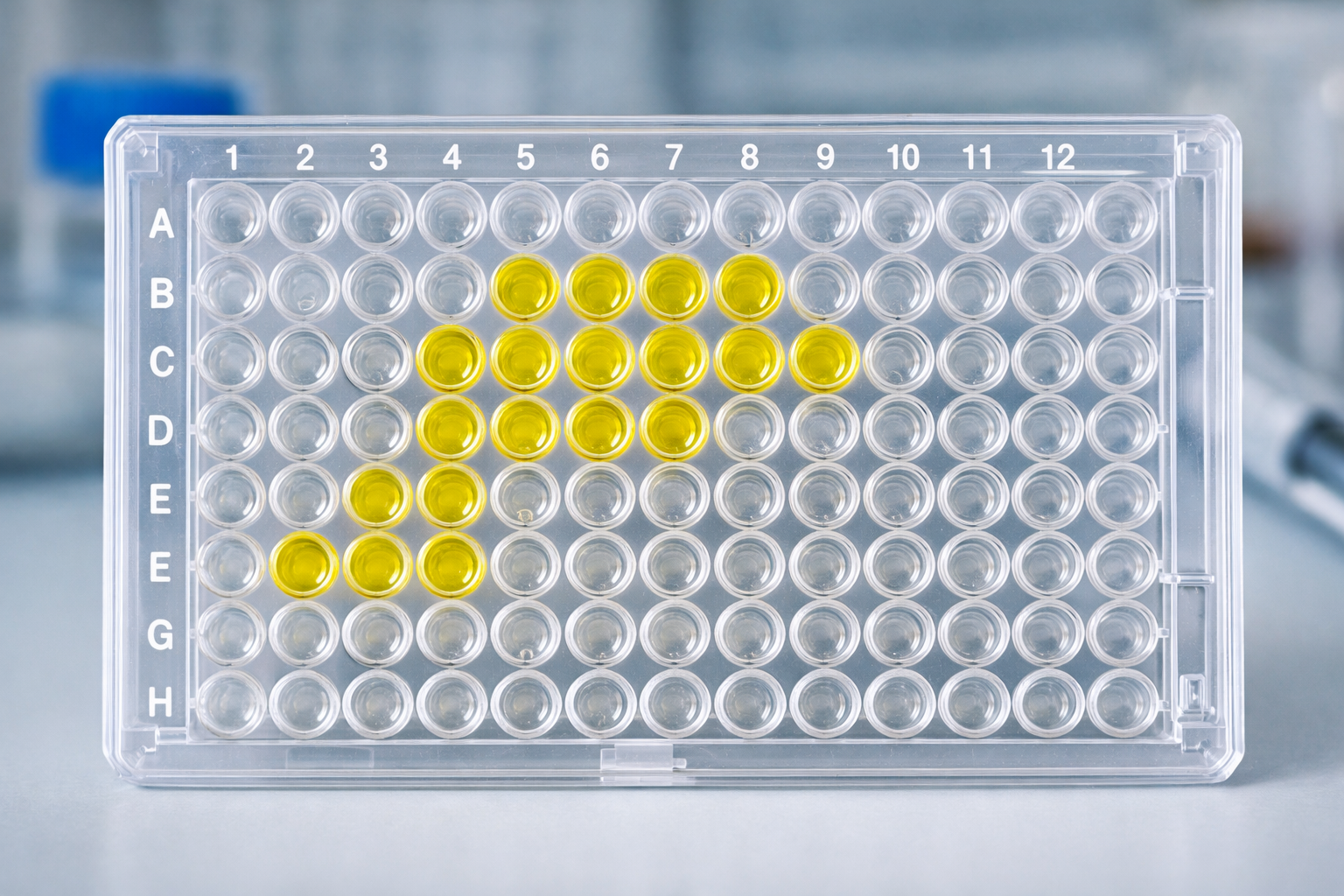
Proof of Protection over Proof of Response: The Benefits of Bacterial Neutralization Assays in Product Development
In salmon farming, vaccination is standard — but verification of protection is not.
While ELISA confirms antibody presence, it does not confirm function. Not all antibodies are protective, and titer levels don’t always translate to field survival. A validated pathogen neutralization assay closes this gap by demonstrating whether vaccine-induced antibodies can actively inhibit bacterial or viral pathogens under controlled bench-top conditions.
For vaccine developers, this means earlier go/no-go clarity before costly in-vivo trials.
For producers, it provides confidence that a vaccinated population is ready for real infection pressure at sea.
Neutralization assays shift vaccine evaluation from proof of response to proof of protection.
Connect with our LabTech team to learn how functional vaccine verification can de-risk your next innovation.

An Industry at a Crossroads: Salmon Farming in Canada
Salmon farming on Canada’s West Coast sits at a critical crossroads. Polarized debates and rigid timelines risk oversimplifying an issue that touches ecosystems, Indigenous governance, coastal economies, and food security. Grounded in the findings of the Cohen Commission, this article explores why science, collaboration, and evidence-based policy must guide the path forward, not absolutes.
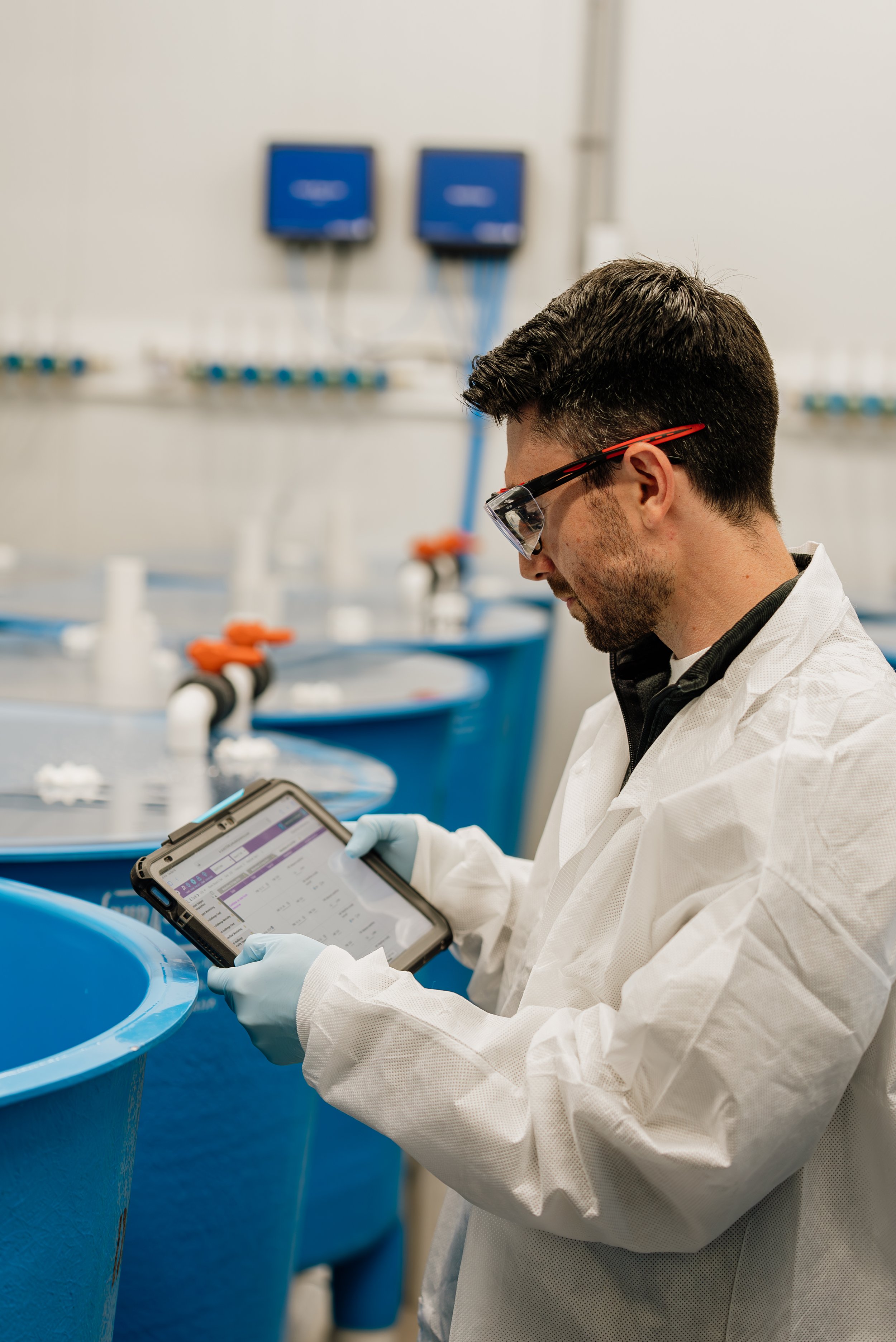
If it isn’t written down, did it happen? Why documentation matters in research
Great research doesn’t just happen in the lab, it lives in the details written down along the way. From reproducibility and transparency to compliance and continuity, documentation is what turns observations into defensible, trustworthy results. Learn why “no doc, didn’t happen” isn’t just a saying, but a foundation for credible research and successful client outcomes.
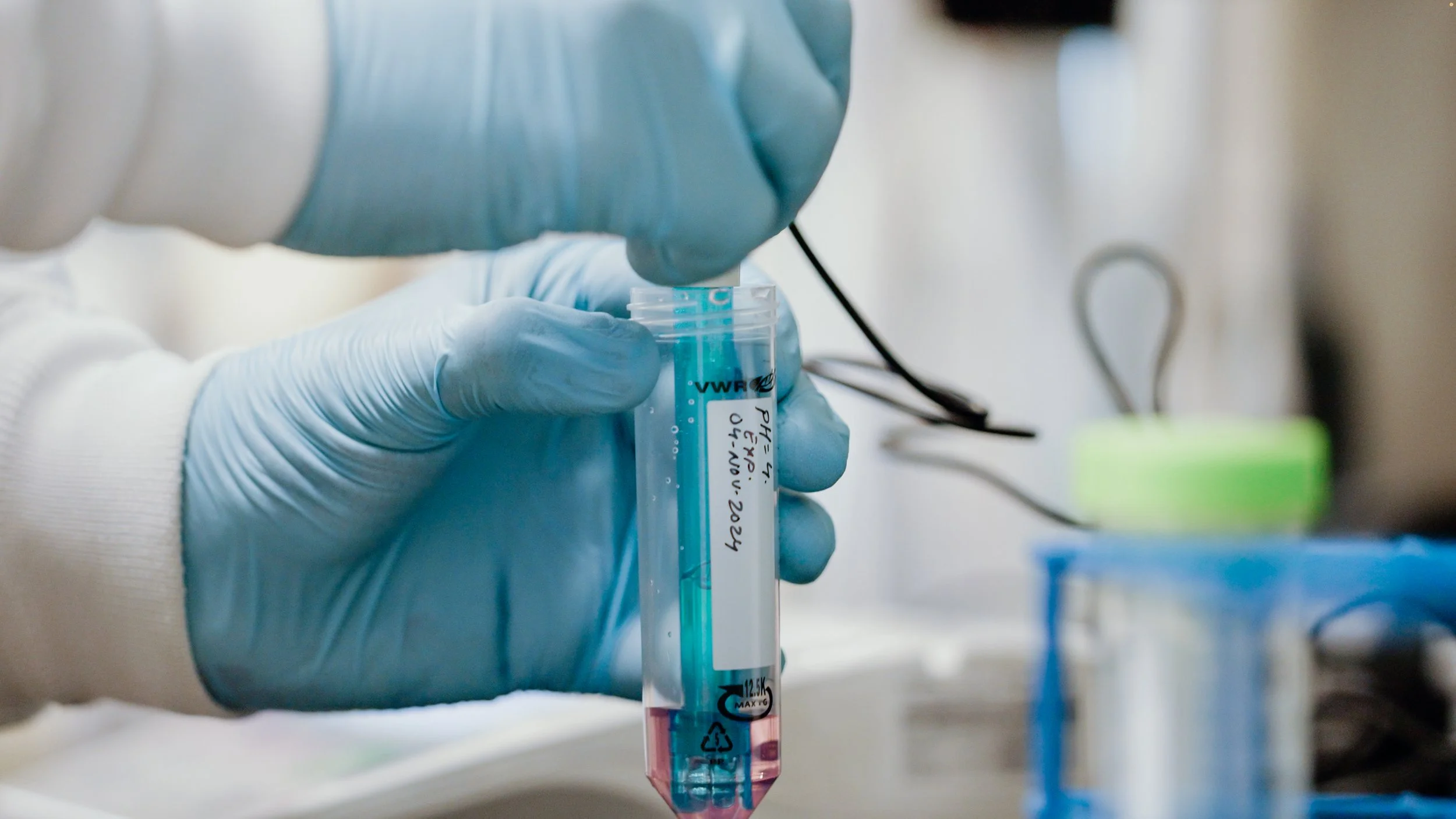
Smarter Decisions Start with Better Diagnostics
When fish health declines, speed matters, but so does precision. Acting without evidence can drive unnecessary treatments, added costs, and avoidable stress on stocks. Diagnostics replace assumptions with data, helping farms identify real risks early, intervene more precisely, and avoid doing more than what’s needed. Learn how integrating diagnostics into routine health monitoring supports smarter, more sustainable decision-making on farm.
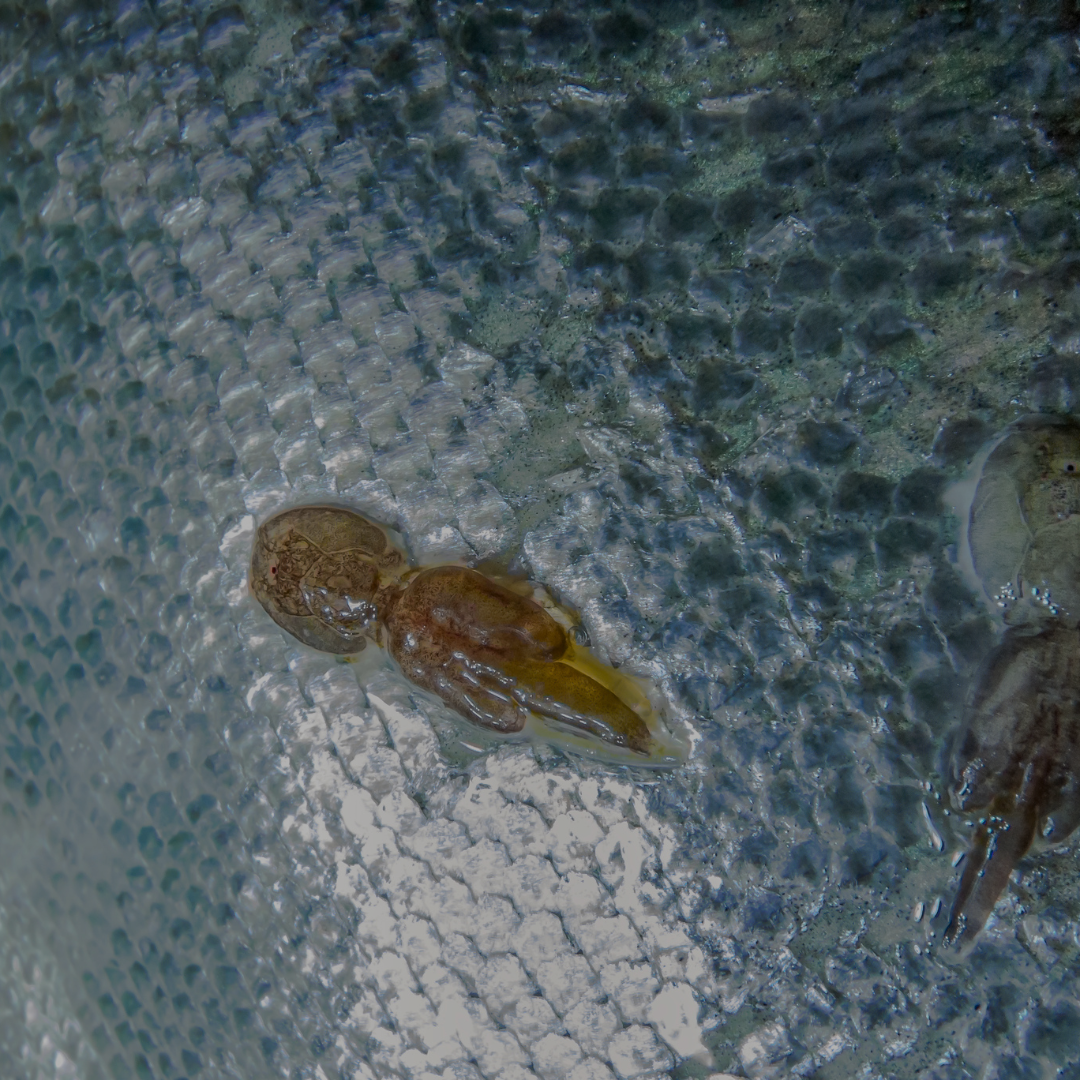
Why Regional Testing Capabilities Matter in Solving the Sea Lice Challenge
Sea lice are often discussed as a single global challenge, but biology, environment, and production systems vary widely by region. Differences in species, life cycles, and treatment response mean data generated in one geography doesn’t always translate elsewhere.
We explore why region-specific research is essential for developing reliable, scalable solutions and how local validation builds confidence with producers and regulators alike. We also share how expanding our sea lice capabilities supports a global industry facing local challenges.

What Regulators Expect from CRO Data on the Path to Commercialization
Innovation may start on the bench, but commercialization depends on data that regulators can trust. From trial design and statistical validity to data integrity and objective execution, regulatory reviewers expect CRO-generated studies to meet a high and consistent standard.
We outline the key elements regulators look for and share practical insights drawn from supporting submissions across species, systems, and study phases. If you’re planning studies to support regulatory approval or commercial claims, aligning early can help avoid delays and keep your product on track to market.

Common Mistakes in Aquaculture Trials & How to Avoid Them
Common mistakes in aquaculture trials can lead to unusable data and costly delays. Learn how to avoid them with better design, rigor, and planning.

Inside the Data: Capturing the True Dynamics of Disease to Deliver Data
In aquaculture innovation, data quality determines confidence. Onda’s cohabitation models replicate the natural infection process, producing results that reflect how diseases truly behave on the farm, not just in a lab. By studying transmission between Trojans and Cohabitants under realistic conditions, we generate insights that help clients predict field performance, refine dosing, and strengthen regulatory submissions.
Because our studies capture natural variability and environmental influences, they deliver the most meaningful measure of efficacy—how your product performs in the real world.
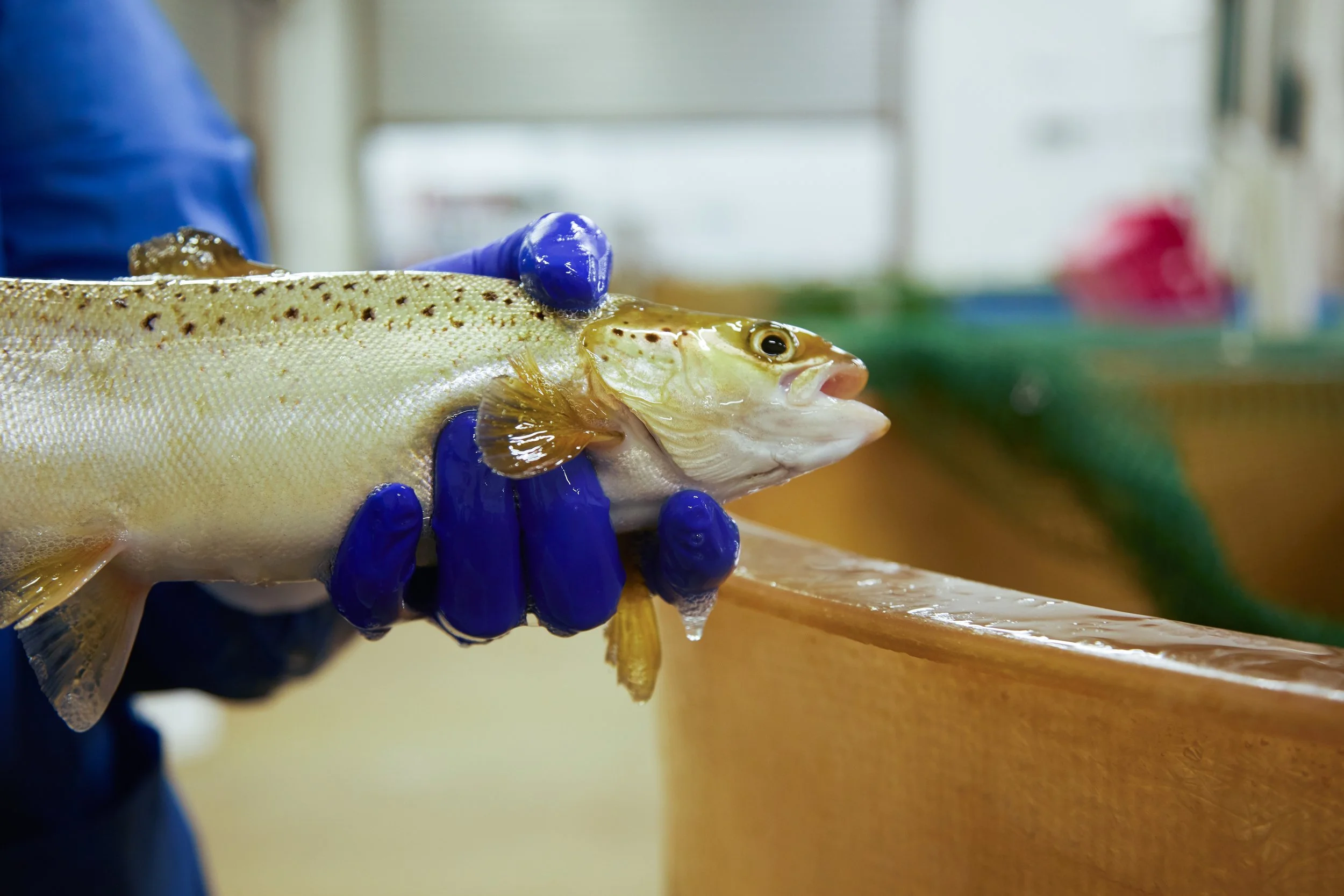
From Lab to Ocean: Reducing Risk Before It Reaches the Field
Innovation in aquatic health is vital, but it’s also risky. Every new vaccine or therapeutic represents years of research and significant financial investment, yet not every product performs as expected once it leaves the lab. That’s where Onda’s preclinical models make the difference.
By replicating real-world production conditions under controlled settings, Onda helps clients identify the most promising candidates before reaching costly regulatory or market stages. Our studies deliver the clarity needed to make confident, data-driven decisions reducing uncertainty, managing risk, and accelerating time to market.

From Horror Movie to Hatchery: The Real ‘Thing’ Lurking in Aquaculture
From horror movie to hatchery—there’s a real “Thing” creeping through aquaculture systems, and it’s not fiction. Tenacibaculum, a bacterial menace, spreads silently and strikes hard, causing devastating losses for producers around the world. But this Halloween, there’s good news: science is fighting back.
Onda’s expanded Tenacibaculum platform—now including T. maritimum, T. dicentrarchi, and T. finnmarkense—gives innovators the tools to test vaccines, feeds, and treatments before they hit the water.

Inside Aqua Nor 2025: The Biggest Aquaculture Innovation Showcase Ever
Over 25,000 visitors from around the world—and three determined Onda team members—made their way to Trondheim for the world’s largest aquaculture technology exhibition. From a royal opening and groundbreaking innovations to multi-million-dollar project announcements, Aqua Nor 2025 was a milestone event for the industry.

Zombie Fungus is Fiction. Saprolegnia is Not.
You’ve seen the spores take over the world in The Last of Us—but what if we told you there’s a real-life fungal enemy already wreaking havoc in fish farms? While humans are safe from apocalyptic cordyceps, aquaculture is fighting a losing battle against Saprolegnia, a deadly water mold responsible for massive losses. Forget fiction—this fungal threat is all too real, and the industry needs science-driven solutions now more than ever.

Indigenous Leadership: A Living History of Stewardship Across Canada’s Waters
Want to learn how Canada’s original aquaculture stewards are shaping the industry’s future? From ancient clam gardens to boardroom leadership in billion-dollar seafood ventures, Indigenous communities across Canada are leading a powerful resurgence grounded in sustainability, sovereignty, and science. Read the full article to explore how First Nations on both coasts are blending traditional knowledge with cutting-edge innovation—redefining what responsible aquaculture looks like in the 21st century.

Healthy Fish are Productive Fish
In the fast-evolving world of aquaculture, fish health is central to both operational success and long-term sustainability. Diseases, like Cardiomyopathy Syndrome (CMS), that are years away from developing market-ready vaccines, must rely solely on careful biosecurity and surveillance practices to reduce the impact of disease through early detection.