

Stay up to date on the latest innovations in Aquaculture.
Check back regularly for company updates, news releases and industry-leading case studies from across the sector.
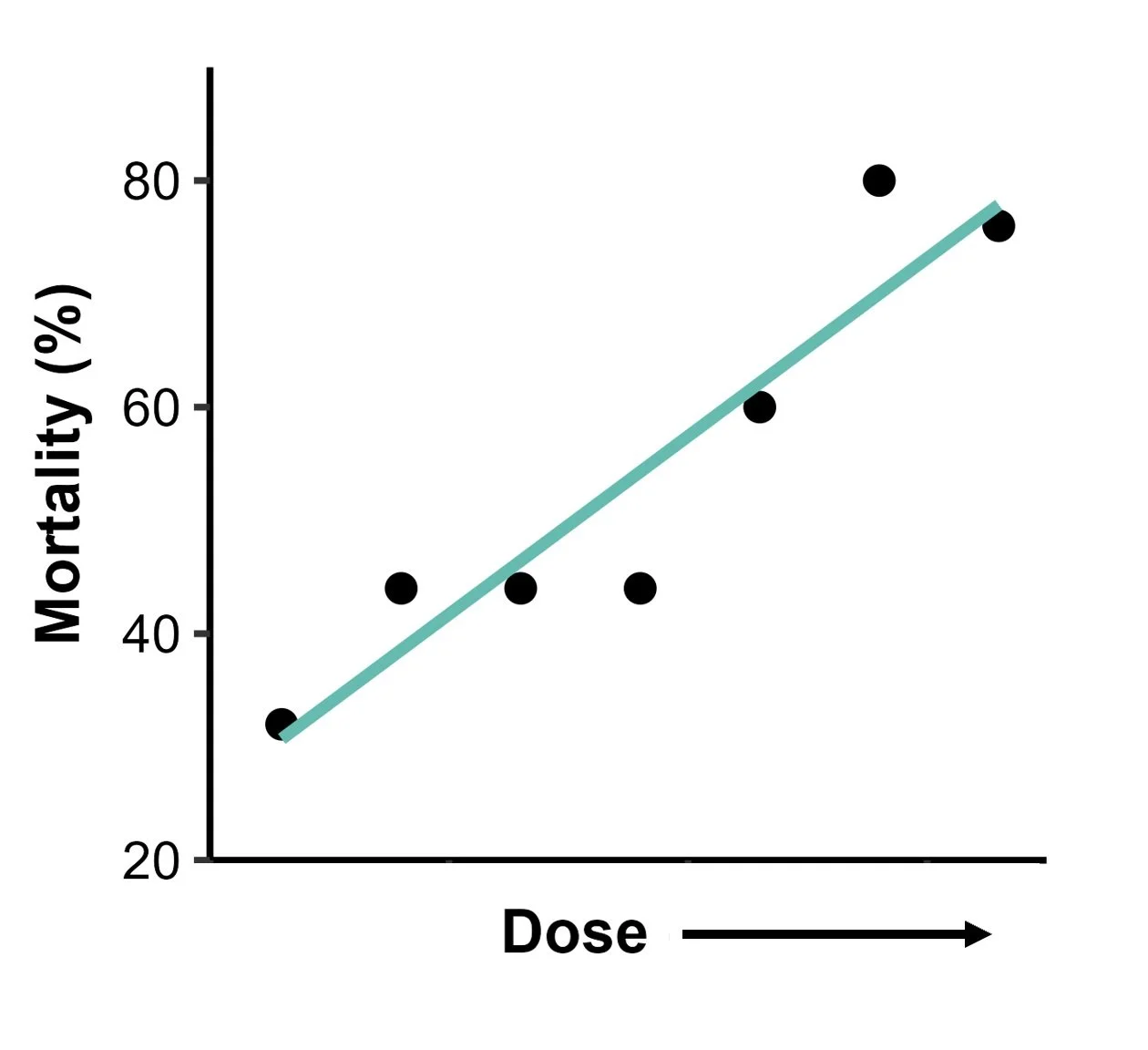
A Picture Worth a Thousand Words: Understanding Dose-Dependent Mortality in Yersinia ruckeri Challenge Studies
When it comes to understanding disease in aquaculture, pathogen exposure is rarely a simple yes-or-no event. Researchers use dose-response studies to determine how increasing pathogen levels influence disease severity, mortality, and fish health outcomes. These studies form the foundation of reliable challenge models that support the development of vaccines, functional feeds, and other preventative health strategies.
Read the full article to learn how challenge models help researchers better understand pathogen behaviour and bridge the gap between laboratory research and real-world aquaculture production.

Proteomics in Aquaculture: A New Window Into Fish Health
What if you could understand how fish are responding to stress, disease, nutrition, or environmental change before visible signs appear? Proteomics is an emerging research tool that provides a real-time snapshot of physiological activity by analyzing changes in protein expression. As aquaculture moves toward more preventative and data-driven health management strategies, proteomics is offering new opportunities to better understand fish performance, resilience, and disease response.
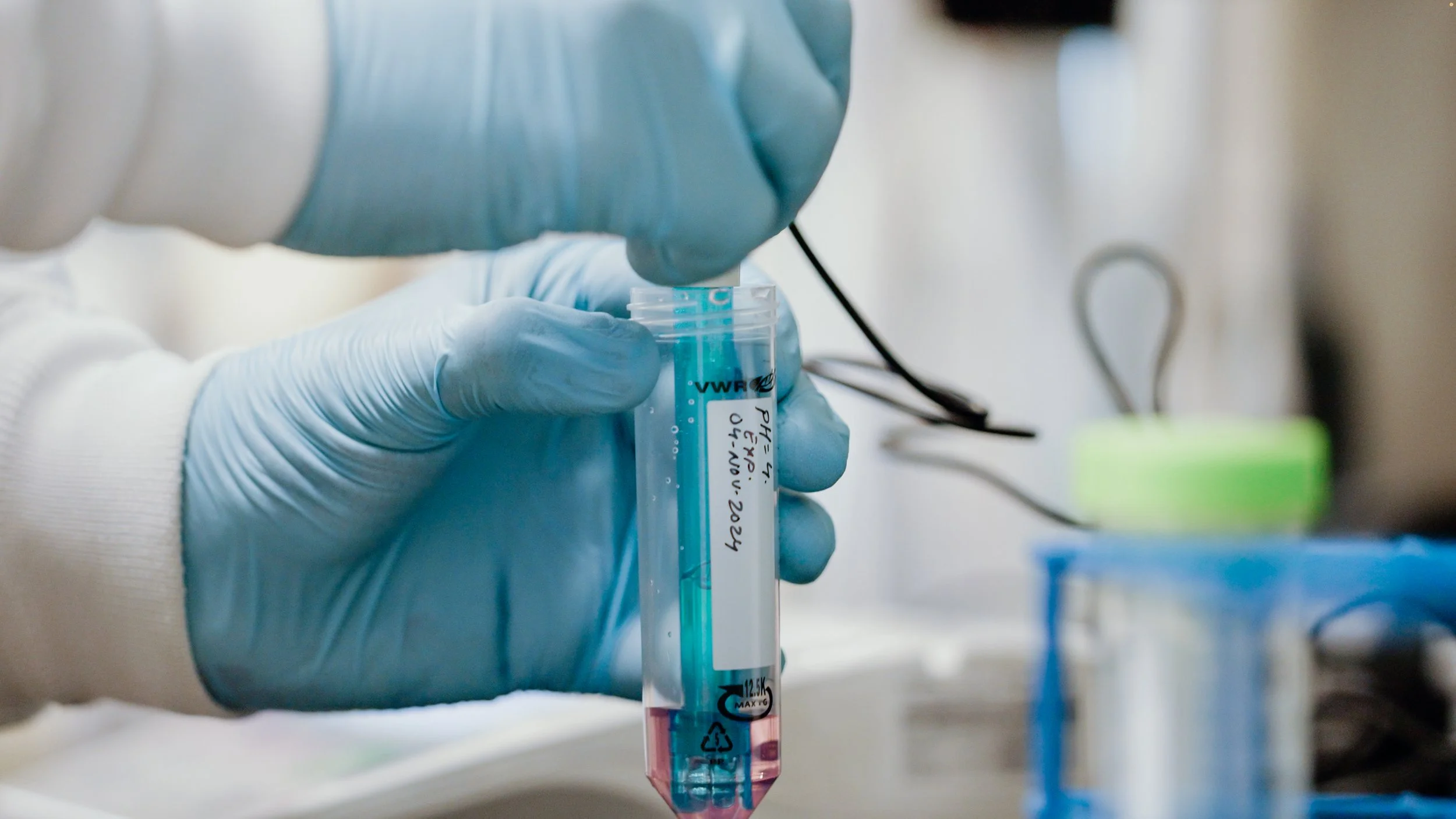
Smarter Decisions Start with Better Diagnostics
When fish health declines, speed matters, but so does precision. Acting without evidence can drive unnecessary treatments, added costs, and avoidable stress on stocks. Diagnostics replace assumptions with data, helping farms identify real risks early, intervene more precisely, and avoid doing more than what’s needed. Learn how integrating diagnostics into routine health monitoring supports smarter, more sustainable decision-making on farm.

A New Era for Disease Management in Aquaculture
As global demand for sustainable seafood rises, so does the pressure to find effective, environmentally friendly solutions to persistent health challenges. One of the most pressing issues is the management of bacterial infection such as Yersinia ruckeri, a pathogen notorious for impacting juvenile rainbow trout and other farmed fish. Traditional responses have relied heavily on vaccines and antibiotics but growing concerns about antimicrobial resistance and regulatory restrictions have made these approaches increasingly unsustainable.
Vetagro and Onda Unlock New Potential in Aquaculture Health with Breakthrough Results Against Yersinia ruckeri
Vetagro, an Italian leader in animal biotechnology, in collaboration with Canadian aquaculture CRO Onda, have announced compelling results from a joint research initiative evaluating microencapsulated phytogenics for their efficacy against Yersinia ruckeri—a major pathogen in rainbow trout farming.

Healthy Fish are Productive Fish
In the fast-evolving world of aquaculture, fish health is central to both operational success and long-term sustainability. Diseases, like Cardiomyopathy Syndrome (CMS), that are years away from developing market-ready vaccines, must rely solely on careful biosecurity and surveillance practices to reduce the impact of disease through early detection.